When Should I Call an Emergency Plumber?
Introduction
Most plumbing problems don’t start as emergencies. A slow drip, a sluggish drain, or a toilet that runs occasionally can usually wait for a scheduled visit. The problem is knowing when a plumbing issue crosses the line from inconvenient to urgent.
For homeowners in Stafford, VA, calling an emergency plumber at the right time can prevent serious water damage, health risks, and much higher repair costs. This guide explains exactly when a plumbing issue is an emergency, when it’s safe to wait, and how to make that call with confidence.
What Makes a Plumbing Issue an “Emergency”
A plumbing emergency isn’t defined by discomfort—it’s defined by risk. If a plumbing problem is actively damaging your home, threatening health or safety, or could escalate quickly, it qualifies as an emergency.
In practical terms, emergency plumbing situations usually involve:
Uncontrolled water flow
Sewage exposure or backup
Loss of essential plumbing function
Conditions that worsen rapidly if ignored
If the situation can’t safely wait until normal business hours, it’s time to call for emergency service.
Clear Situations That Require an Emergency Plumber
Some scenarios leave very little room for debate. If any of the situations below are happening, emergency service is usually the right call.
Burst or Actively Leaking Pipes
A burst pipe or a leak that won’t stop after shutting off nearby valves is one of the most urgent plumbing situations. Water can spread quickly, damaging floors, walls, ceilings, and electrical systems.
If water is actively flowing and you can’t fully control it at the source, emergency service is necessary to prevent widespread damage.
Sewage Backups or Raw Sewage Smell
Sewage backups pose both structural and health risks. If wastewater is backing up into sinks, tubs, or floor drains—or if there’s a strong sewage odor inside the home—this is not something to wait on.
In Stafford homes, sewer backups can worsen quickly and contaminate living areas, making emergency response critical.
No Running Water Anywhere in the Home
Losing water throughout the entire house usually signals a serious issue such as a main line problem, frozen pipes, or a significant system failure.
When basic water access is completely lost, emergency service helps restore function and prevent secondary issues like pipe damage or sanitation problems.
Overflowing Toilets That Won’t Stop
A single clogged toilet that can be shut off is usually not an emergency. However, an overflowing toilet that continues to spill water—or multiple toilets backing up at once—can indicate a deeper system issue.
If water is actively flooding and can’t be controlled, emergency plumbing service is appropriate.
Water Leaks Near Electrical Systems
Water and electricity are a dangerous combination. If a leak is dripping near outlets, breaker panels, lighting fixtures, or appliances, the risk goes beyond property damage.
In these cases, emergency plumbing service is about safety as much as preventing water damage.
Situations That Feel Urgent but Usually Aren’t Emergencies
Some plumbing problems are stressful but don’t require immediate after-hours service. Knowing the difference can save you from unnecessary emergency costs.
Examples that usually allow scheduled service include:
A slow or minor drip that can be contained
A clogged sink or shower that still drains eventually
A running toilet that isn’t overflowing
Low water pressure affecting one fixture
If the issue is stable, contained, and not causing damage, it’s often better to schedule a standard appointment.
How to Decide Quickly: A Simple Decision Check
When you’re unsure whether to call an emergency plumber, run through these questions in order:
Is water actively damaging my home right now?
Can I safely stop or contain the problem myself?
Is there a health or safety risk if this continues?
Will waiting likely make the damage significantly worse?
If the answer to any of these is “yes,” emergency service is usually justified.
What to Do While Waiting for an Emergency Plumber
Once you’ve decided to call, there are a few steps that can help limit damage while help is on the way.
First, shut off the main water supply if the issue involves uncontrolled water flow. Next, move valuables away from the affected area and use towels or containers to manage minor water spread if it’s safe to do so.
Avoid attempting complex fixes. Temporary DIY actions can sometimes make the situation worse or unsafe.
Emergency Plumbing Costs: What Homeowners Should Expect
Emergency plumbing service usually costs more than scheduled service because it involves immediate response, after-hours availability, and urgent conditions.
The higher cost reflects:
Rapid response time
Priority scheduling
Increased labor availability
While emergency service is more expensive upfront, delaying necessary emergency repairs often leads to significantly higher damage and restoration costs later.
FAQs: Emergency Plumbing Questions Homeowners Ask
What qualifies as a plumbing emergency?
Any situation causing active damage, health risk, or complete loss of essential plumbing usually qualifies.
Is a clogged drain an emergency?
A single slow drain usually isn’t. Multiple drains backing up or sewage overflow is.
Should I call an emergency plumber at night?
If the issue can’t safely wait until morning without causing damage or risk, yes.
Can I wait if I shut off the water?
If shutting off the water fully stops the issue and there’s no ongoing damage, scheduled service may be sufficient.
Do emergency plumbers handle inspections only?
Emergency plumbers focus on stopping damage and stabilizing the situation. Full repairs may follow if needed.
Conclusion
Knowing when to call an emergency plumber comes down to recognizing risk, not just inconvenience. Active water damage, sewage exposure, safety concerns, and total loss of plumbing function are all signs that waiting can make the problem worse.
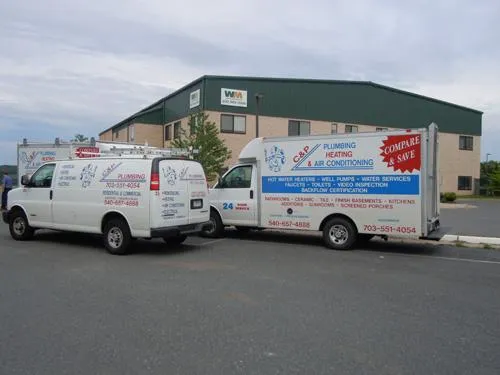
For homeowners in Stafford, VA, acting quickly in true emergencies helps protect both the home and the people living in it. When urgent plumbing situations arise, many residents rely on C & P Plumbing for prompt, clear-headed emergency response that prioritizes safety and damage control.
Understanding the difference between urgent and non-urgent plumbing problems allows you to make the right call—when it truly matters.
