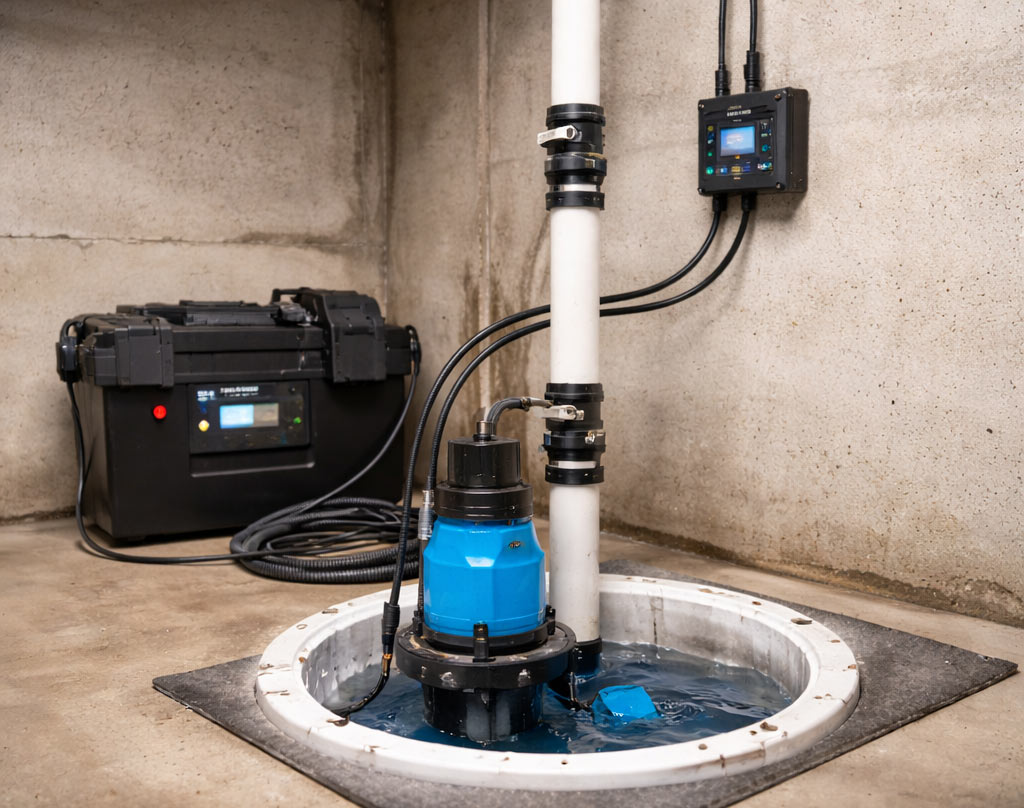
What Does Basement Sump Pump Replacement Cost?
Introduction: Planning Before the Next Heavy Rain
A sump pump is your basement’s last line of defense against groundwater intrusion. When it starts running constantly, making loud grinding sounds, or failing to activate during storms, replacement becomes less of a choice and more of a necessity.
For homeowners in Stafford, Virginia, sump pump reliability is especially important during heavy rainfall seasons. The big question is not just whether to replace it, but how much to budget.
Replacement costs vary depending on the type of pump, the complexity of installation, and whether system upgrades are needed. Understanding those factors ahead of time helps you plan financially instead of reacting under pressure.
Average Cost of Basement Sump Pump Replacement
Sump pump replacement is not a flat-rate service. Costs differ based on equipment quality and installation requirements.
Below is a general cost comparison for typical residential situations:
These ranges reflect standard residential conditions. Unique basement layouts or electrical modifications can increase overall pricing.
What Actually Drives the Cost?
Several structural and mechanical factors influence sump pump replacement pricing. Each plays a different role in determining labor time and equipment expenses.
Pump Type and Build Quality
Pedestal pumps are typically more affordable and easier to service because the motor sits above the sump basin. Submersible pumps, which sit inside the basin and operate underwater, cost more but run quieter and generally last longer.
Higher horsepower models and cast iron housings increase equipment cost compared to lighter-duty plastic units. The pump you choose directly affects both upfront price and long-term durability.
Condition of the Existing Basin
If your current sump pit meets size and code requirements, replacement is straightforward.
However, older homes in Stafford, Virginia may have smaller basins that do not meet modern drainage needs. In those cases, enlarging the basin or modifying concrete flooring increases labor and materials.
Basin modifications are often one of the biggest variables in total project cost.
Electrical Configuration
Sump pumps require safe and reliable power.
If your system needs a dedicated circuit, upgraded outlet protection, or wiring adjustments, an electrician may be involved. Adding a battery backup system also increases installation complexity and equipment costs.
Backup systems are particularly valuable in areas where storms can knock out power while groundwater levels are rising.
Discharge Line Setup
The discharge line carries water away from your home’s foundation. If it is undersized, improperly sloped, or clogged, simply replacing the pump will not solve the problem.
In some cases, discharge lines require rerouting or freeze-protection upgrades. Homes in Stafford, Virginia with sloped lots or older drainage designs may require additional exterior adjustments.
Emergency Timing vs. Planned Replacement
A proactive replacement scheduled during dry conditions typically costs less than an emergency replacement during active flooding.
Emergency service may involve after-hours labor rates and urgent scheduling fees. Planning ahead reduces both stress and cost.
Step-by-Step: How to Budget for Replacement
If your sump pump is nearing the end of its lifespan, budgeting properly prevents last-minute decisions.
Step 1: Determine System Age
Most sump pumps last between seven and ten years. If your system falls within that range and shows performance decline, preparing for replacement is wise.
Step 2: Evaluate Risk Level
Consider how vulnerable your basement is to water intrusion. Homes with finished basements or valuable storage areas may benefit from upgraded protection rather than basic replacement.
Step 3: Compare Basic Replacement vs. Full Upgrade
Replacing only the pump costs less upfront. However, adding a battery backup and improving discharge routing may prevent thousands of dollars in potential water damage later.
When comparing options, focus on long-term protection rather than just initial price.
Comparing Standard and Upgraded Systems
The table below outlines how system choices affect overall investment.
Upgraded systems cost more initially but significantly reduce flood risk during severe weather events.
FAQs About Basement Sump Pump Replacement Costs
How long does replacement take?
Most standard replacements take two to four hours. Basin or electrical modifications may extend the timeline.
Is sump pump replacement covered by insurance?
Insurance typically does not cover routine mechanical failure. Some policies cover water damage if a separate water backup endorsement exists.
How often should sump pumps be replaced?
Most manufacturers recommend replacement within seven to ten years, depending on usage frequency.
Is a battery backup necessary?
In areas prone to power outages during storms, a battery backup system greatly reduces the risk of basement flooding.
Can I replace a sump pump myself?
Improper installation can lead to drainage failure or electrical hazards. Professional installation ensures proper sizing, safe wiring, and reliable discharge routing.
Local Considerations in Stafford, Virginia
Seasonal rainfall patterns and soil conditions in Stafford, Virginia can increase groundwater pressure around foundation walls. Homes built below grade are especially vulnerable during extended storms.
Ensuring proper sump pump capacity and discharge routing is essential for long-term protection. Regular inspection and timely replacement minimize the risk of structural moisture damage.
Conclusion
Basement sump pump replacement typically ranges from $400 to over $3,500 depending on pump type, electrical requirements, basin condition, and backup system upgrades.
Budgeting realistically means considering not only the cost of the pump itself, but the overall drainage system that protects your foundation. For homeowners in Stafford, Virginia seeking dependable basement protection, C & P Plumbing provides thorough system evaluations and replacement solutions designed to support reliable, long-term performance.
