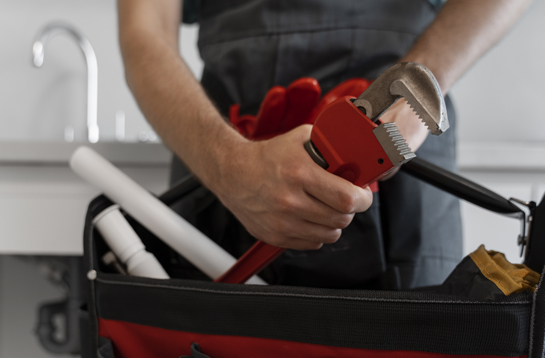
What Affects Plumbing Replacement Prices?
Introduction
Plumbing replacement prices often surprise homeowners because they can vary dramatically from one home to another. Two houses in the same Stafford, VA neighborhood might replace “the same thing” and still receive very different estimates. That’s because replacement pricing is shaped by far more than just the pipe or fixture being installed.
This guide explains what actually affects plumbing replacement prices, why replacement costs escalate in some homes, and how homeowners can understand estimates before committing to major plumbing work.
Replacement Prices Are Driven by Scope, Not Just Materials
The biggest misunderstanding homeowners have about plumbing replacement is assuming the cost is mostly about materials. In reality, labor, access, and disruption usually account for a much larger portion of the price.
Replacing plumbing means removing old components, installing new ones, integrating them into the existing system, and testing everything for safety and performance. The more complex that process becomes, the higher the price climbs.
How Much Plumbing Is Being Replaced
Replacement pricing scales directly with how much of the system is involved.
Small-Scale Replacement
Replacing a single fixture, short pipe section, or localized component usually stays on the lower end of the pricing spectrum because disruption is minimal.
Partial System Replacement
Replacing multiple pipe sections, several fixtures, or a branch line increases cost because more labor and coordination are required.
System-Level Replacement
Whole-home repiping, main water line replacement, or sewer line replacement costs significantly more because the work affects large portions of the home and may require extensive access.
The difference between replacing one section and replacing many is often thousands of dollars.
Accessibility of the Plumbing Being Replaced
Access is one of the biggest cost drivers in plumbing replacement pricing.
Easier Access Areas
Replacement is typically less expensive when plumbing is located:
In unfinished basements
Along exposed walls
In utility rooms
In open crawl spaces
Difficult Access Areas
Costs increase when plumbing runs:
Behind finished drywall
Under tile floors
Beneath slab foundations
Through tight or obstructed spaces
Many homes in Stafford have finished basements or remodeled bathrooms, which means replacing plumbing often requires opening walls or floors, increasing labor time and overall cost.
Age of the Home and Existing Plumbing Materials
Older homes tend to cost more to replumb, not because they are “old,” but because of what that age implies.
Older plumbing systems may involve:
Outdated pipe materials
Corrosion or mineral buildup
Non-standard sizing or layouts
Past repairs that complicate replacement
In these homes, replacement often requires additional steps to safely integrate modern materials, which adds time and cost.
Type of Plumbing Being Replaced
Not all plumbing components are equal in replacement pricing.
Fixtures and Visible Components
Replacing toilets, sinks, faucets, or exposed piping usually costs less because access is straightforward and disruption is limited.
Supply and Drain Lines
Replacing water supply or drain lines costs more due to routing, length, and integration with existing plumbing.
Main Water and Sewer Lines
These are among the most expensive replacement projects because they involve long runs, excavation or slab access, and strict safety requirements.
The more critical the plumbing component, the higher the replacement price tends to be.
Length and Routing of the Plumbing Lines
Replacement pricing increases as pipe runs get longer and more complex.
Straight, short runs are faster to replace. Long runs that weave through walls, floors, and structural elements require more labor, planning, and coordination.
In multi-story Stafford homes, vertical plumbing runs can significantly increase replacement cost compared to single-level homes.
Restoration Work After Replacement
Plumbing replacement often requires opening parts of the home to access pipes. While restoration is not plumbing work itself, it affects the total project price homeowners experience.
Replacement may involve:
Drywall removal and repair
Tile or flooring disruption
Ceiling access in lower levels
Homes with finished interiors usually see higher overall replacement costs because access and restoration are unavoidable.
Permits, Code Compliance, and Proper Installation
Some plumbing replacements require permits or must meet updated standards. Even when permits aren’t strictly required, proper installation often demands additional steps to ensure safety and long-term reliability.
This can include:
Updated materials or fittings
Proper venting or pressure regulation
Safe connection methods
Doing replacement work correctly may increase upfront cost but reduces the risk of future failures and costly rework.
Emergency Replacement vs Planned Replacement
Timing plays a major role in replacement pricing.
Emergency replacements often cost more because:
Work must happen immediately
Scheduling flexibility is limited
Conditions may be worse due to active failure
Planned replacement allows for better preparation, controlled access, and lower overall risk, which usually keeps costs more predictable.
How Replacement Prices Compare to Repeated Repairs
Some homeowners delay replacement to avoid the upfront expense. However, repeated repairs can quietly exceed replacement cost over time.
For example:
One repair may seem affordable
Multiple repairs over a few years add up
The underlying issue remains unresolved
Replacement pricing often makes more sense once repair costs approach a significant portion of replacement cost.
What Homeowners in Stafford, VA Should Expect
Plumbing replacement prices in Stafford vary because housing styles, ages, and layouts vary widely. Homes with older plumbing systems or finished interiors tend to see higher replacement costs, while newer or more accessible homes often stay on the lower end of the range.
Understanding what affects pricing helps homeowners interpret estimates accurately instead of assuming they are arbitrary.
Frequently Asked Questions
Why do plumbing replacement estimates vary so much?
Because access, scope, materials, and home layout differ from one property to another.
Is plumbing replacement always expensive?
Not always. Small, accessible replacements can be relatively affordable compared to system-level work.
Does replacing plumbing increase home value?
Replacement improves reliability and reduces buyer concerns, which can support value indirectly.
Can plumbing replacement be done in stages?
Yes. Many homeowners replace high-risk sections first to spread costs over time.
Is planned replacement cheaper than emergency replacement?
Almost always, because emergencies involve urgency, damage, and limited scheduling options.
Conclusion
Plumbing replacement prices are shaped by access, scope, materials, home age, and how much of the system is involved—not just the part being replaced. For homeowners in Stafford, VA, understanding these factors makes it easier to plan, budget, and avoid surprise costs.
When homeowners need a clear explanation of why replacement costs what it does, many rely on C & P Plumbing for evaluations grounded in real conditions rather than guesswork.
