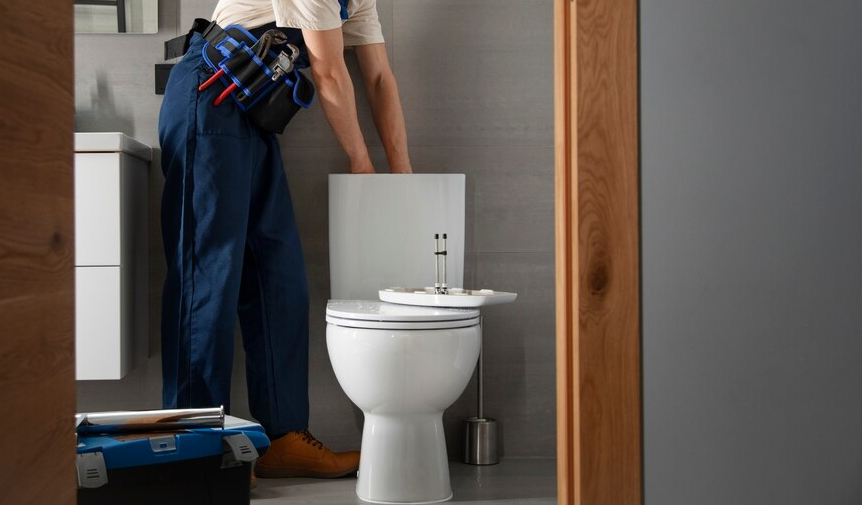
How to Know Your Toilet Needs Professional Plumbing
Introduction: When a Simple Plunger Isn’t Enough
Toilets are designed to work quietly and reliably. When something goes wrong, it’s usually obvious — repeated clogs, strange noises, leaks, or water that won’t stop running. While some minor issues can be fixed with a plunger or quick adjustment, others signal a deeper plumbing problem.
For homeowners in Stafford, Virginia, recognizing the difference between a simple DIY fix and a situation that requires professional plumbing can prevent costly water damage and recurring repairs. Below, we’ll break down the clear warning signs that your toilet needs expert attention.
1. Repeated Clogs That Keep Coming Back
An occasional clog happens in almost every home. However, if your toilet clogs frequently — even with normal use — that usually points to something more serious.
Persistent clogs can indicate:
A blockage deeper in the drain line
Sewer line buildup
Improper toilet installation
Low-flow toilet performance issues
If plunging temporarily clears the issue but it returns within days or weeks, the problem likely extends beyond the toilet itself.
2. Water Backing Up in Multiple Fixtures
When flushing causes water to rise in nearby tubs or showers, it’s rarely just a toilet issue.
This pattern often signals a main sewer line blockage. In Stafford, Virginia neighborhoods with mature tree growth, root intrusion is a common cause of deeper sewer obstructions.
Multiple fixtures reacting at once is a strong sign that professional inspection is needed.
3. Constant Running Water
A running toilet is often caused by worn internal components like a flapper or fill valve. In some cases, replacing these parts solves the issue.
However, if:
The tank never fully refills
Water constantly trickles into the bowl
The toilet cycles on and off throughout the day
There may be pressure or valve problems beyond simple part replacement.
Left unresolved, constant running can significantly increase your water bill.
4. Leaks Around the Base
Water pooling around the base of the toilet should never be ignored.
This may indicate:
A failed wax ring seal
Cracked porcelain
Loose mounting bolts
Subfloor damage
A compromised wax ring can allow wastewater to seep beneath flooring, causing structural damage and mold growth. Professional repair ensures the toilet is properly sealed and secured.
5. Weak or Incomplete Flush
If the toilet struggles to flush waste completely, it could be a sign of:
Partial drain blockage
Low water level in the tank
Mineral buildup in rim jets
Aging internal mechanisms
In homes throughout Stafford, Virginia, mineral deposits from water supply can gradually restrict water flow inside the toilet.
When cleaning doesn’t restore performance, internal plumbing components may need evaluation.
Step-by-Step: Deciding If You Need a Plumber
If you’re unsure whether to call a professional, follow this simple process.
Step 1: Try Basic Troubleshooting
Check for visible clogs, ensure the water supply valve is open, and inspect the tank components for obvious wear.
If minor adjustments restore full function, professional service may not be necessary.
Step 2: Monitor Frequency of the Issue
One-time problems often resolve easily. Repeated issues suggest a deeper cause.
If clogs, leaks, or weak flushing return regularly, the underlying problem likely requires professional tools or inspection equipment.
Step 3: Watch for Signs of Structural Impact
Soft flooring, water stains, or persistent moisture near the toilet indicate that damage may be spreading beyond the fixture itself.
At this point, delaying repair can increase long-term costs.
Comparing Minor Toilet Issues vs. Professional-Level Problems
Understanding severity helps clarify next steps.
When multiple warning signs appear together, scheduling a professional evaluation is typically the safest decision.
Local Plumbing Considerations in Stafford, Virginia
Homes in Stafford, Virginia may face specific plumbing challenges such as aging sewer lines, shifting soil conditions, and mineral buildup that affect toilet performance.
Older properties may have outdated drain lines that restrict flow, while newer homes may experience pressure regulation issues.
Understanding your home’s plumbing age and condition helps determine whether the issue is isolated to the toilet or connected to the broader system.
FAQs About Toilet Plumbing Issues
Can I ignore a small leak at the base?
No. Even minor leaks can cause subfloor damage and mold growth over time.
Why does my toilet gurgle when I flush?
Gurgling often indicates air trapped in the drain line due to blockage or venting issues.
Is replacing a toilet better than repairing it?
If the toilet is older and experiencing frequent problems, replacement may be more cost-effective long term.
How long should a toilet last?
A well-maintained toilet can last decades, but internal components typically require replacement every few years.
What causes toilets to flush weakly?
Partial blockages, mineral buildup, or insufficient tank water levels are common causes.
Conclusion
Recognizing when your toilet needs professional plumbing prevents repeated frustration and potential structural damage. Persistent clogs, base leaks, sewer backups, and continuous running water are strong indicators that the issue extends beyond a simple fix.
For homeowners in Stafford, Virginia who want clear answers and reliable repairs, C & P Plumbing provides professional evaluations and effective solutions tailored to your plumbing system. Addressing the problem early protects both your home and your peace of mind.
